
Why Every Deposition Deserves a Prepared Court Reporter 💻
Preparation Makes a Difference
Reviewing assignment details, checking audio equipment, confirming procedural requirements, and preparing for multiple speakers are all important parts of the reporting process.
For remote proceedings, preparation also includes connectivity checks, microphone testing, and appropriate backup procedures.
Protecting the Record
A prepared court reporter can identify audio issues, request clarification when necessary, and maintain a professional record of the proceedings.
Reliable court reporting begins with careful preparation, not simply the moment testimony starts

Digital Court Reporting: Professionalism Beyond the Method 💻
Digital court reporters use specialized recording technology alongside active monitoring, speaker identification, annotations, and quality-control procedures.
The work requires attention, training, and the ability to recognize potential problems as proceedings unfold.

When Your Business Document Is Going Overseas 🌏 📃🖋️
Your client is overseas.
Your vendor is overseas.
Your next project is overseas.
And now someone has told you:
“We need this document authenticated.”
What happens next?

Notary Services for Luxury & Specialty Retailers 🖋️
Luxury retail involves more than what's happening on the sales floor.
Behind the scenes are owners, vendors, insurers, property matters, business relationships and administrative paperwork.
From independent jewelers and watch dealers to designer boutiques and other specialty retailers, a business may occasionally encounter a document requiring notarization.
Not every business document needs a notary.

Notary Services for Art Collectors & Private Collections 🎨🖋️
Collecting art can involve much more than choosing what hangs on the wall.
Private collectors may encounter documents connected with estates, transactions, business matters, authorizations, international dealings, or other situations in which notarization is requested.
When that happens, the notary's responsibility is specific: properly perform the requested notarial act.
A notary does not authenticate the artwork, establish provenance, determine ownership, or provide an appraisal.

Why Boutique Businesses Benefit From Having a Notary Contact 📃
Your business probably already has a list of people you call.
An accountant.
An insurance professional.
Perhaps an attorney.
A preferred photographer, printer, or courier.
A notary can belong on that list too.

Notary Services for Photographers & Production Companies 📸
A photo shoot may last a day.
The business behind it operates all year.
Photographers and production companies manage clients, locations, equipment, vendors, contractors, intellectual property, and sometimes international projects.
Along the way, they may encounter particular authorizations, sworn statements, business documents, or other paperwork for which notarization has been requested.

Notary Services for Interior Designers & Design Studios 📃
An interior design studio handles much more than fabric swatches and beautiful spaces.
Behind every project is a business dealing with clients, vendors, contractors, property, purchasing, and administrative paperwork.
Occasionally, a designer or studio may encounter a business document, sworn statement, authorization, or other paperwork requiring notarization.
Not every contract needs a notary, of course.
Notary Services for Antique Dealers & Auction Businesses 🏺
Antiques can have long histories.
The businesses selling them have paperwork.
Auction houses and antique dealers may occasionally encounter documents related to estates, business transactions, authorizations, international matters, or other situations in which notarization is requested.

Notary & Apostille Support for Businesses Working Internationally 🌏
Business doesn't always stop at the border.
A company working with international clients, vendors, partners, artists, manufacturers, or organizations may encounter documents intended for use outside the United States.
Depending on the document and destination, the process might involve notarization, an apostille, or another form of authentication.
These aren't interchangeable services, and not every international document follows the same process.

Why Creative Studios Should Have a Notary in Their Professional Network 📃
Creative businesses still have very uncreative paperwork. 😂
Photographers, designers, production companies, agencies, and studios may occasionally encounter business documents, sworn statements, authorizations, or other paperwork requiring notarization.
That doesn't mean a creative studio needs a notary every week.

Notary Services for Fashion Designers & Boutiques 🖋️
Behind every beautiful collection, boutique, or independent fashion label is a business.
And businesses come with paperwork.
Fashion professionals may occasionally encounter documents involving business operations, commercial arrangements, sworn statements, authorizations, international matters, or other transactions where notarization is requested.

Five Types of Small Businesses That May Need a Notary 📃
Notary services aren't only for individuals handling personal paperwork.
Businesses need notaries too.
And the business doesn't have to be a law firm, bank, or real estate company.
Here are a few you might not immediately think about.
Art galleries may encounter notarized business documents, sworn statements, authorizations, international paperwork, or documents connected with transactions.
Jewelry businesses may encounter notarization needs involving business operations, estates, insurance matters, or high-value property transactions.
Photography and creative studios may encounter business documents, authorizations, sworn statements, or paperwork associated with international projects.
Antique dealers and auction businesses may occasionally handle documents connected with estates, property transfers, business matters, or international transactions.
Boutiques and other independent retailers may encounter notarized documents involving their companies, financing, leases, vendors, or administrative matters.

Why a Jewelry Business Might Need a Notary 💍
Fine jewelry isn't only about beautiful pieces.
Behind the display cases are businesses dealing with inventory, vendors, clients, insurance, estates, high-value property, and plenty of paperwork.
Occasionally, that paperwork may require notarization.

Why an Art Gallery Might Need a Notary 🎨
When you think of an art gallery, you probably picture paintings, exhibitions, collectors, and opening nights.
A notary probably isn't the first person who comes to mind.
But galleries, artists, collectors, and other professionals in the art world may occasionally encounter documents that require notarization.

Can a Notary Notarize a Document Written in Another Language? 📃
New York is home to people and businesses from around the world, which means notaries may encounter documents written in languages other than English.
So does a document have to be written in English to be notarized?
The answer depends on applicable state law, the circumstances, the requested notarial act, and whether the notary can properly perform their duties.

Can a Notary Notarize a Permission or Consent Form? 📃
Before scheduling a notary appointment, read the entire document and any accompanying instructions.
Look for information explaining:
Who must sign
Whether witnesses are required
Whether notarization is required
What type of notarization has been requested
Whether the receiving organization has provided specific instructions

Can a Notary Notarize a Letter? 📃
People sometimes use the phrase "notarize my document" as though the notary places a stamp on the page confirming that everything written in it is true.
That's not what notarization means.
The notary performs a specific notarial act involving the signer.
The notary generally isn't verifying every statement contained in the letter simply because a notarization is performed.

What Is a Signature Witnessing and Is It the Same as Notarization?📃
"I just need someone to witness my signature."
It sounds simple.
But when someone contacts a notary with that request, an important question comes next:
What exactly does the document require?
Watching someone sign a piece of paper and performing an authorized notarial act are not automatically the same thing.
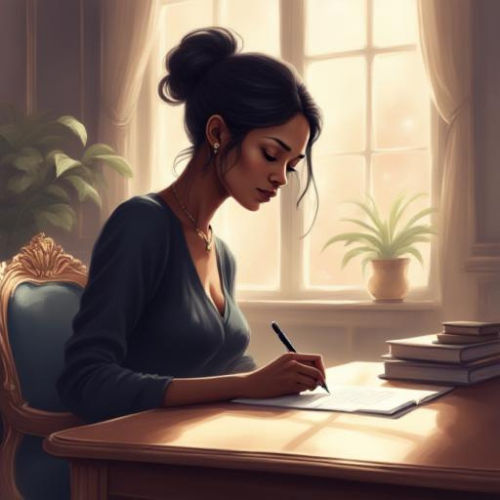
Can a Notary Notarize a Handwritten Document? 📃
Not every important document is created on a computer.
People write letters, statements, agreements, permissions, and other documents by hand every day.
So can a handwritten document be notarized?
Potentially, yes. The fact that a document is handwritten does not by itself necessarily prevent an authorized notarization.
However, there are some important distinctions to understand.